Interview
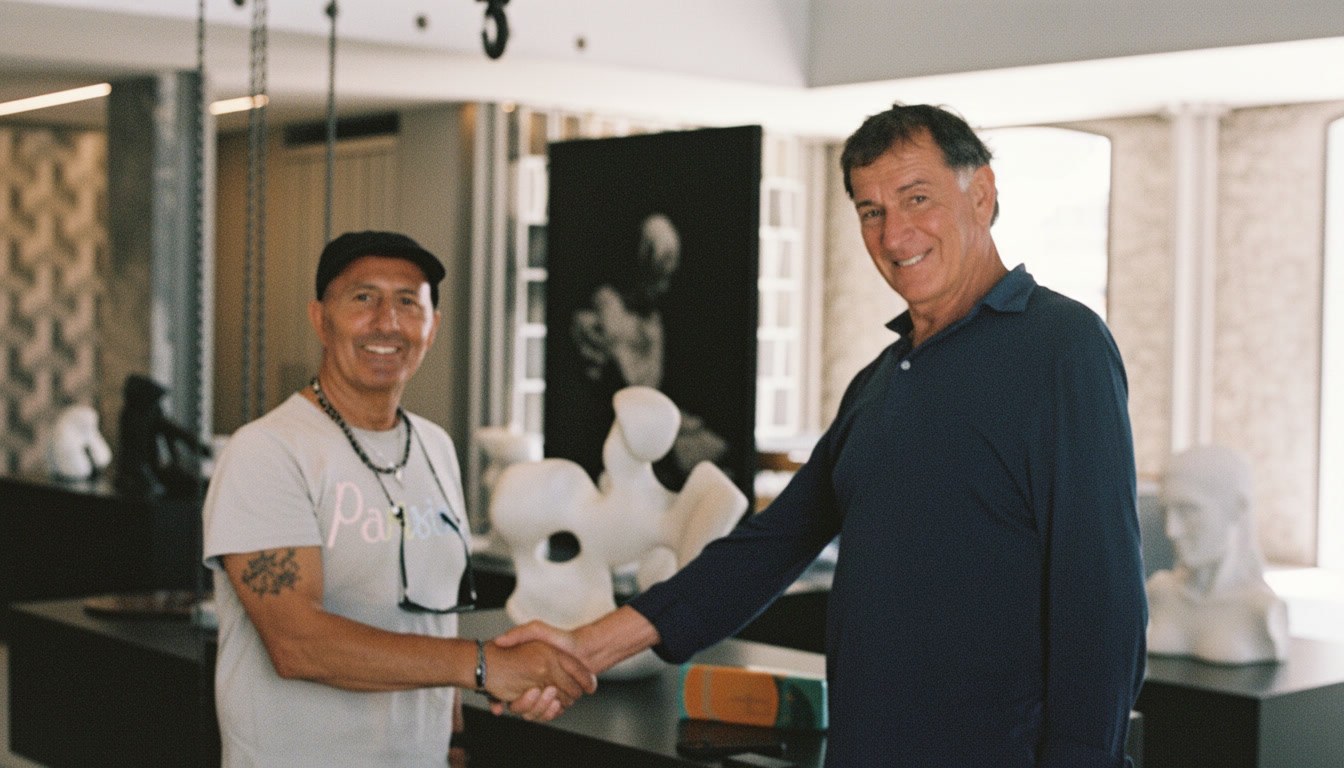
At the end of June, the Roma Marble team travelled to the Apuan Alps to meet Paolo Carli, President of Henraux - a company that has shaped the world of marble for more than two centuries.
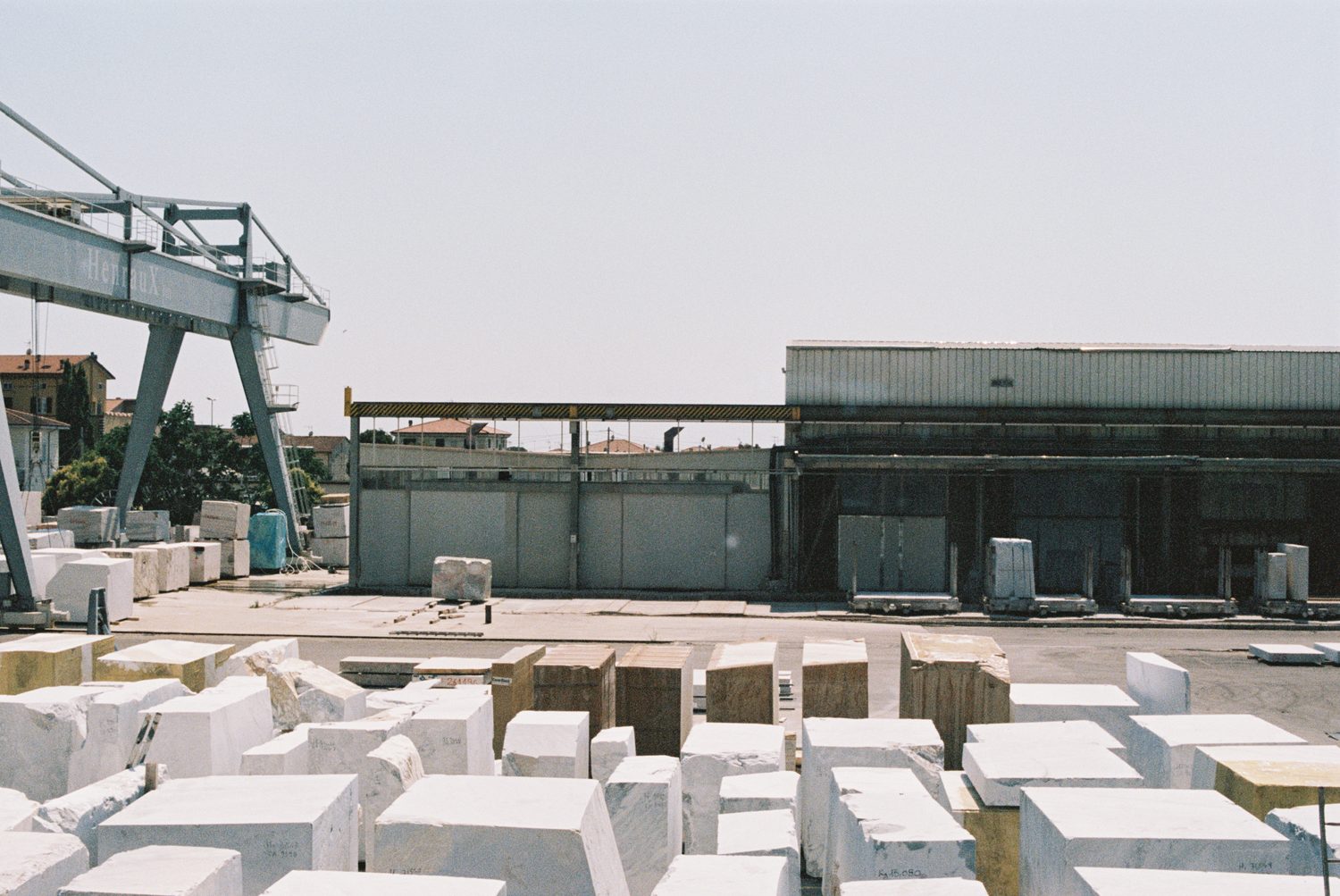
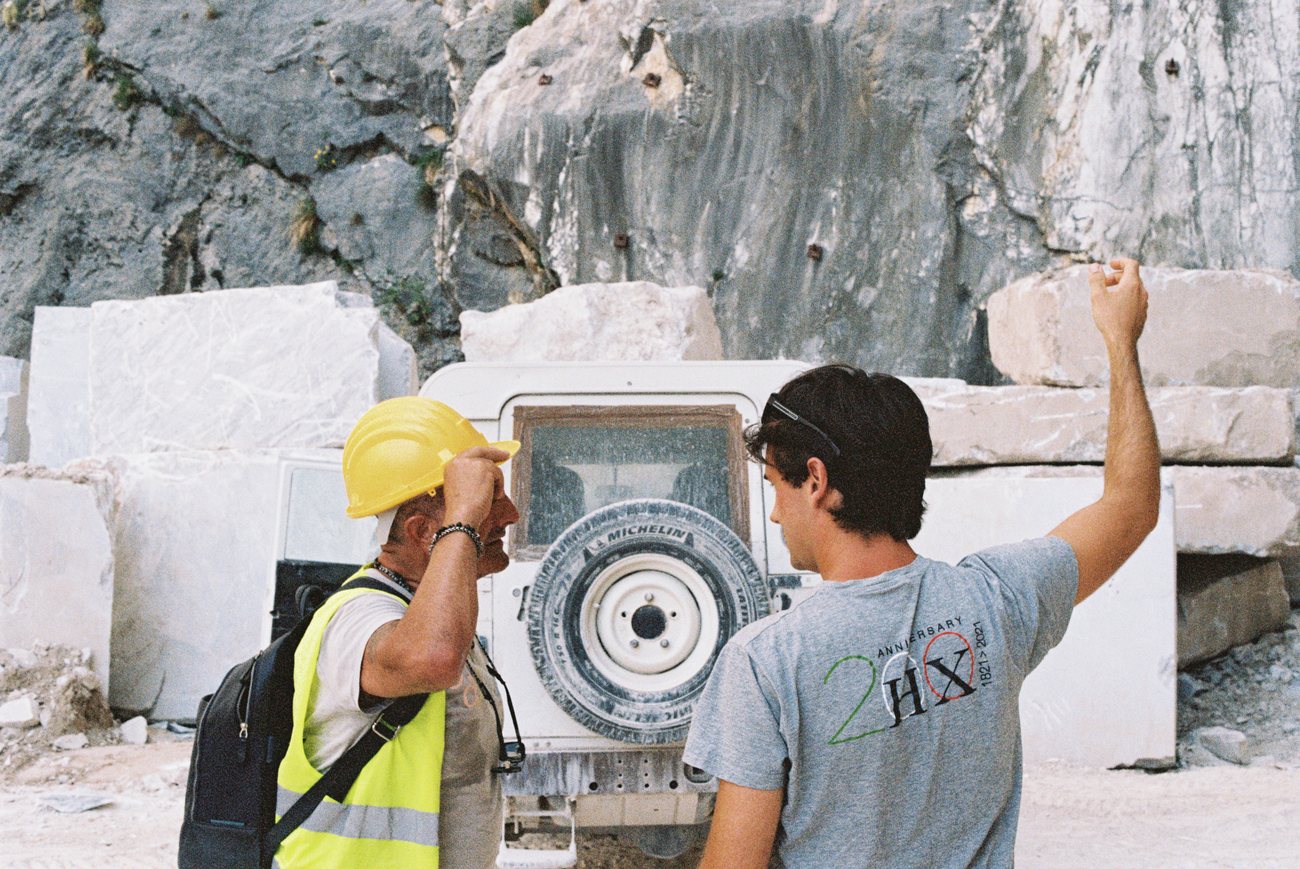
At the end of June, the Roma Marble team travelled to the Arabescato marble quarries high in the Apuan Alps, overlooking Carrara. Surrounded by the dramatic white quarry that has supplied Arabescato for centuries, our visit to the region offered us a rare glimpse into the heritage behind one of Italy's most prestigious natural stones.
Our destination was the nearby coastal town of Forte dei Marmi, where we met with Paolo Carli, President of Henraux. It is difficult to spend time in Tuscany without encountering the Henraux name. For more than two centuries (the company was founded in 1821 by Jean Baptiste Alexandre Henraux) the company has played a defining role in the processing and promotion of some of Italy's most iconic natural stone materials, earning an international reputation for supplying marble to architects, designers and artists across the world.
Our meeting place with Paolo was equally fitting. Forte dei Marmi ("Fort of the Marbles") owes much of its identity to the marble trade. The fort, commissioned by Grand Duke Leopold I of Tuscany in the late eighteenth century, became the focal point of a thriving industry as marble from the Apuan Alps was exported throughout Europe. Even today, marble remains woven into the fabric of the town; its piazzas, streets and public spaces are a lasting reminder of the material that shaped both its economy and its character.
Over lunch, while overlooking the Forte shoreline, Paolo reflected on the town's rich history, recalling how the pier once served as a vital gateway for shipping marble around the world. Our conversation naturally turned to Henraux itself, with the discussion ranging from the importance of preserving traditional craftsmanship to supporting emerging artists, embracing new technologies and inspiring the next generation of architects and designers who share our passion for natural stone.
1Henraux has a remarkable history spanning more than 200 years. Could you tell us about the company's origins, and how you first became involved with Henraux?
Henraux was born in 1821, but the story actually begins much earlier, beginning with Michelangelo. In 1517, he was the first to discover the marbles of Monte Altissimo, when he was commissioned to create the façade of San Lorenzo in Florence. He began building the road to reach those extraordinary marbles, though the road was only completed in 1567 under Cosimo I de' Medici.
So when Jean Baptiste Alexandre Henraux arrived here in the early 1800s, sent by Napoleon (as the story goes) to explore the territory, he didn't just find marble. He found something Michelangelo had already recognised three centuries before. And like any man with vision, he decided to stay and build something from it.
When I arrived in 2003, the company was in serious difficulty, with significant debts and an uncertain future. But I had grown up around marble. My father, my grandfather, it was in my blood. I knew what this material was, what it meant and what it could become. And I saw Henraux for what it truly was: not just a company, but a landmark. A piece of history for this territory and for the entire world of marble. People told me it was a risk, and maybe it was. But sometimes you have to bet everything on what you believe in.
2Henraux is deeply rooted in Carrara. How does that connection to place continue to influence the company's identity and the way you work today?
When people think of marble, they almost instinctively think of Carrara. And rightly so, it's a name that has become synonymous with excellence all over the world. But the story of marble is much richer than a single place.
Henraux has its roots in the Apuan Alps, in Versilia, Seravezza, a territory that has been shaping the history of marble for centuries. These mountains, these quarries and the people who have worked in them generation after generation are part of who we are.
For me, that connection isn't simply geographical, it's cultural. It reminds us every day that we are custodians of a remarkable heritage. At the same time, I don't believe heritage means standing still. Our responsibility is to preserve this knowledge while continuing to reinterpret it, whether through architecture, design, technology or collaborations with artists.
I also think it's important to broaden the conversation around marble. The Apuan district extends well beyond Carrara, and each area has its own identity, materials and history. As the oldest marble company in this territory, we feel a responsibility not only to preserve that legacy, but also to help people discover the richness and diversity of this extraordinary landscape.
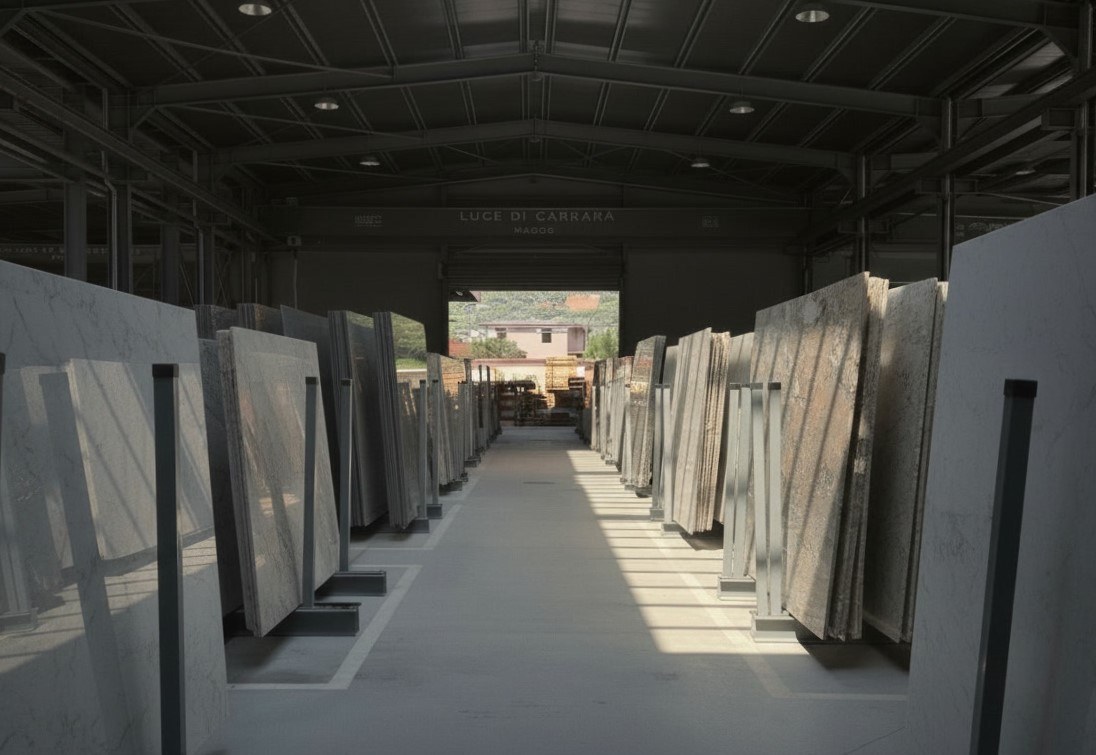
3Luce di Carrara was founded in the early 2000s before joining the Henraux family in 2013. What was the vision behind the brand, and how does it complement Henraux?
The founders believed that marble deserved to be seen differently, not only as an architectural material, but as something capable of becoming part of everyday life. The name itself says it all. Luce means light. It was about looking at marble from a completely different perspective.
When we brought Luce di Carrara into the Henraux Group in 2013, it wasn't simply an acquisition. It completed something that was already part of our philosophy. Henraux has always represented craftsmanship, architecture, sculpture and artistic excellence. Luce di Carrara allowed us to explore another language: design.
Today the two realities complement each other perfectly. Henraux carries the weight of history, while Luce expresses contemporary living. Through furniture, surfaces and objects, marble becomes warmer, more versatile and more approachable. It allows people to experience the beauty of natural stone in spaces they live in every day, not only in monumental architecture.
4How has the marble industry evolved since you began your career?
When I began my career, the marble industry was still a very traditional and analogue world, relying on conventional machinery and predominantly manual craftsmanship.
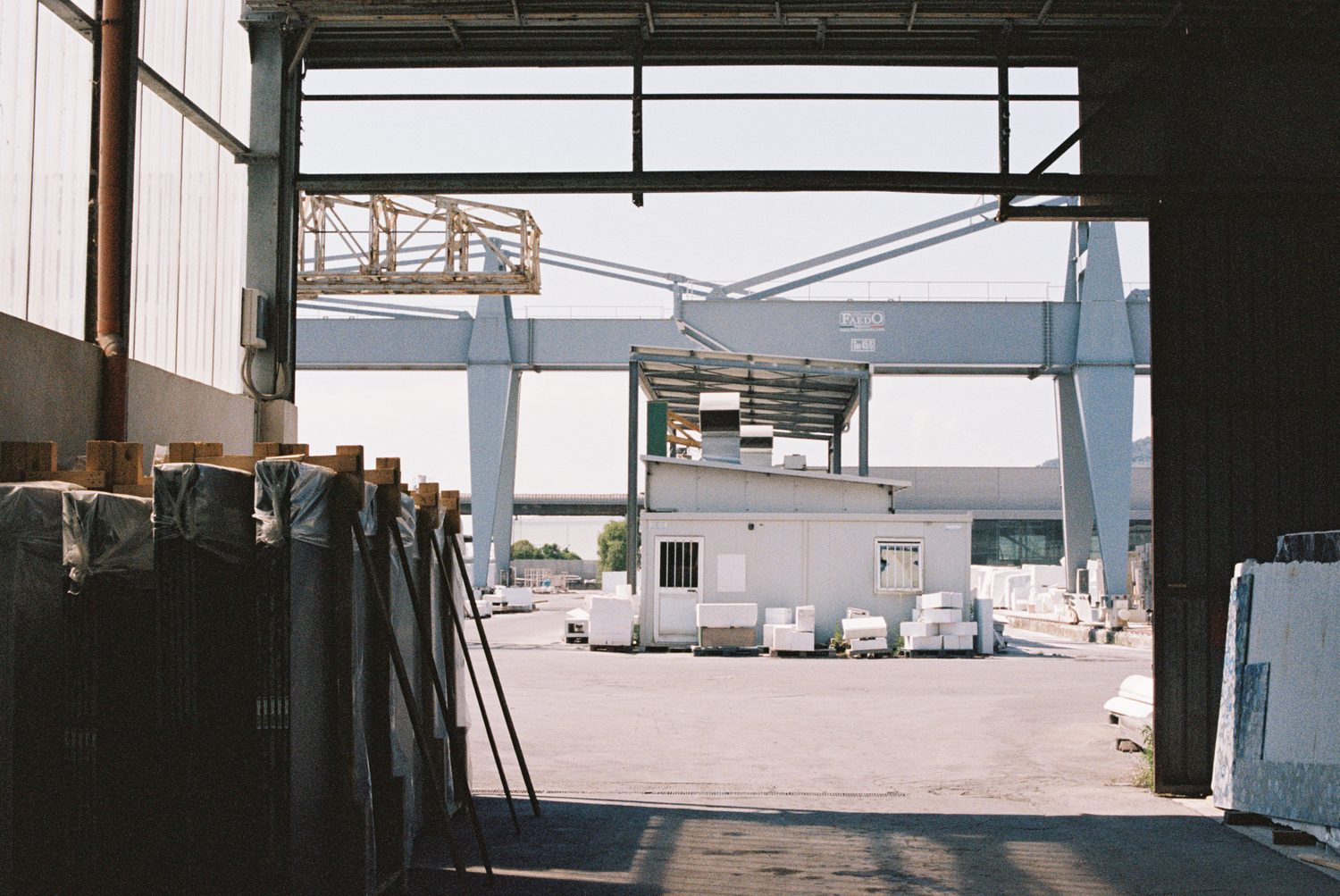
Over the years, the transformation has been remarkable. The introduction of advanced technology and robotics has not replaced craftsmanship, it has empowered it. Today, we are able to achieve results that would have been unimaginable twenty years ago, overcoming structural limitations that once seemed impossible to surpass.
The market itself has undergone an equally significant evolution. In the past, marble was seen primarily as a construction material. Today, however, we can create shapes, lightweight solutions, and refined details that were simply unthinkable two decades ago, and we can do so in a fraction of the time. This has opened entirely new opportunities for collaboration with architects.
5As architects increasingly focus on sustainability and longevity, what role do you see natural stone playing in the future of architecture and interior design?
If you look at the history of architecture, marble has always been there. People often ask me about sustainability. Of course, we continue improving our extraction methods, our production processes and the way we manage resources. That is essential. But sustainability is also about longevity. Some of the most beautiful buildings in the world were built with natural stone hundreds, sometimes thousands, of years ago. They are still standing. That tells us something very important.
Today we live in a world driven by speed and constantly changing trends. Marble asks us to think differently. It is not a material you choose for a season. It is a material you choose for generations. And I think people are beginning to feel that there is a growing desire for things that are real, that last, that mean something. For me, that is probably marble's greatest form of sustainability.
6During our visit, you mentioned Henraux's long-standing commitment to supporting artists through competitions and commissioned works. Could you tell us more about these initiatives and why they remain so important to the company?
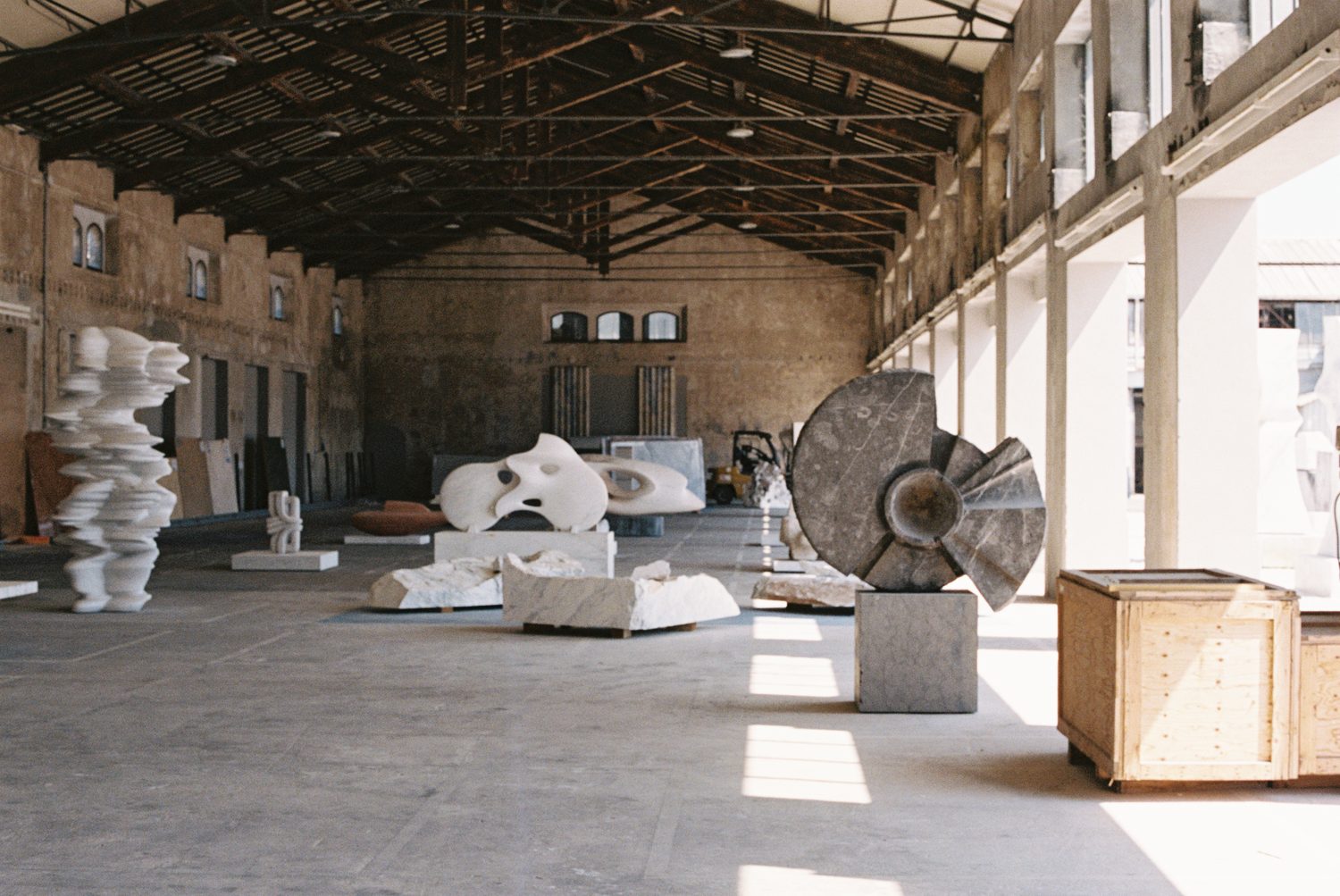
The relationship between Henraux and art goes back decades, to Erminio Cidonio, who in the late 1950s and 60s built extraordinary friendships with artists like Henry Moore, Joan Miró, Isamu Noguchi, Hans Jean Arp. These were not commercial relationships, but genuine exchanges between people who loved marble and understood what it could express. That spirit is something I have always wanted to protect and carry forward.
Today we do this through the Fondazione Henraux. The Henraux Prize supports emerging artists under 40 from around the world, inviting them to explore marble in ways that go beyond tradition, to challenge what this material can be. I won't speak about the specific artists we work with privately, those are confidential relationships, but supporting artists is not something we do on the side. It is part of who we are and it always has been.
7Finally, what have been the greatest lessons that you have learned over your long and distinguished career?
If there is one thing that these years have taught me, it is that everything is constantly changing, and it does so at an extraordinary pace. Markets change, technologies evolve, and machinery continues to advance. But ultimately, the one element that truly makes the difference, and that can never be replaced by an algorithm or a robot, is the human element. I will always be grateful to the men and women whose dedication, work, and example allowed me first to learn and then to grow.
The second lesson I have learned is that respecting history does not mean being trapped by it. When I joined Henraux, the company was facing significant challenges, and many people thought I was taking an impossible risk. If I had looked at the past only with nostalgia, we would not be where we are today. Tradition is a powerful and sustainable energy that should be used to look forward, to take risks, and to create something new.
Finally, I have understood that machines and markets will continue to change, but this land will remain. What truly matters is the legacy we choose to leave behind: the integrity of our work, the respect we show for the material, and the beauty we have been able to reveal from these blocks of stone and pass on to future generations.